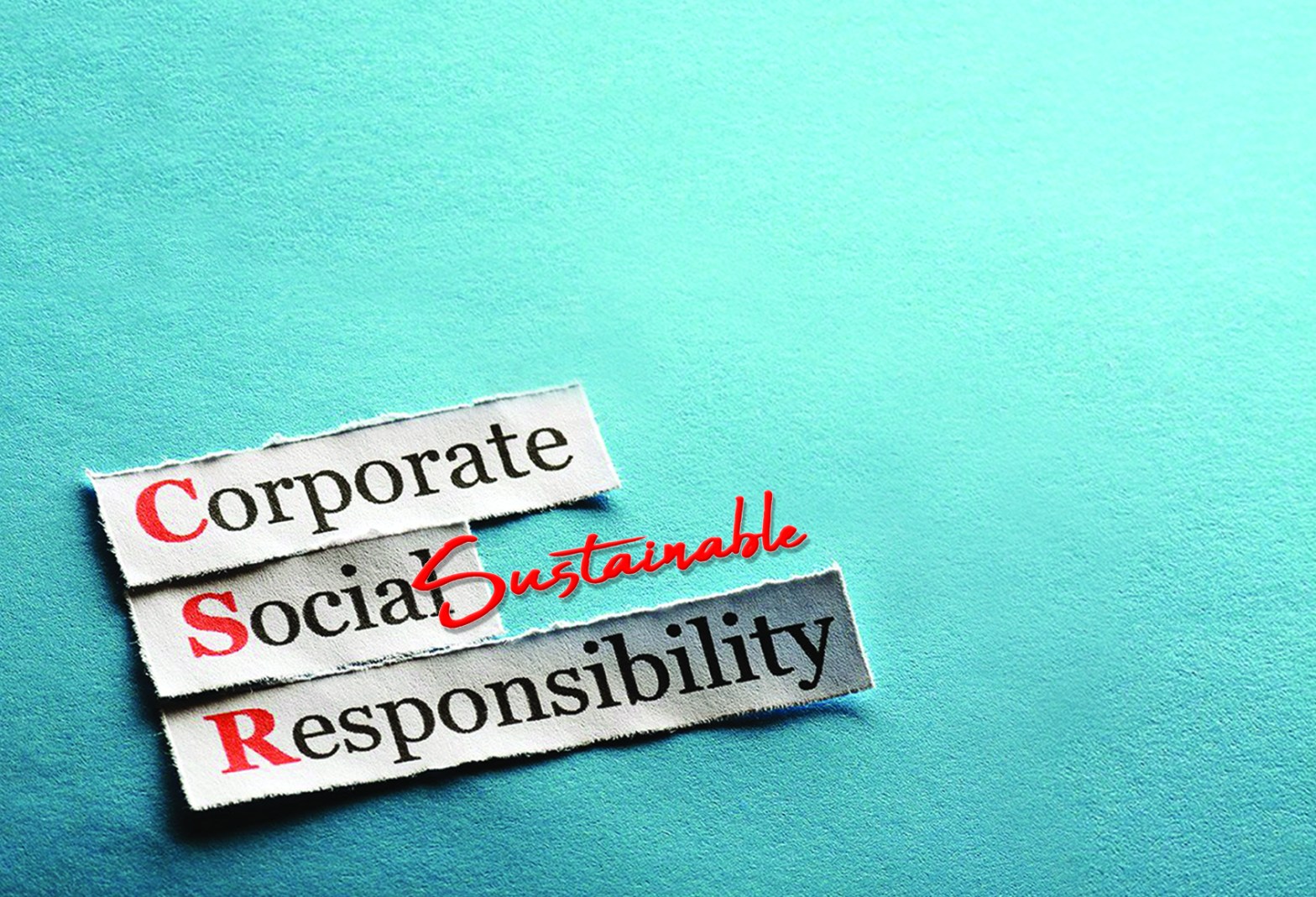
CSR is a big topic among many companies and customers expect companies to address some social and environmental issues. Sustainable CSR initiatives can increase employee retention and commitment to the company.
Successful people have a social responsibility to make the world a better place and not just take from it.
— Carrie Underwood..
We experience many challenges today, and climate change needs to be addressed. The ASEAN region shows an increasing vulnerability to natural disasters, climate change, economic crisis, and other shocks. Government, civil society and companies need to play a bigger role, and together, we can create a better world together.
Singapore government is giving many businesses various support during this crisis, but there are still a lot of gaps in the system, and many people are still struggling to make ends meet.
There are a lot of community CSR projects that were halted during this COVID-19 period. Those that engages the community or run activities for low income families were all cancelled due to social distancing rules. If your company have been engaging in some of these activities previously and stopped due to the new normal, you can actually relook at it again to see how you can restart these initiatives.
Many people lost their jobs during the current crisis, and every little bit helps. An executive that lost their jobs will appreciate produce that would support his family for a few meals, and this may also mean more nutrition for the family with a wider selection of vegetables of fruits.
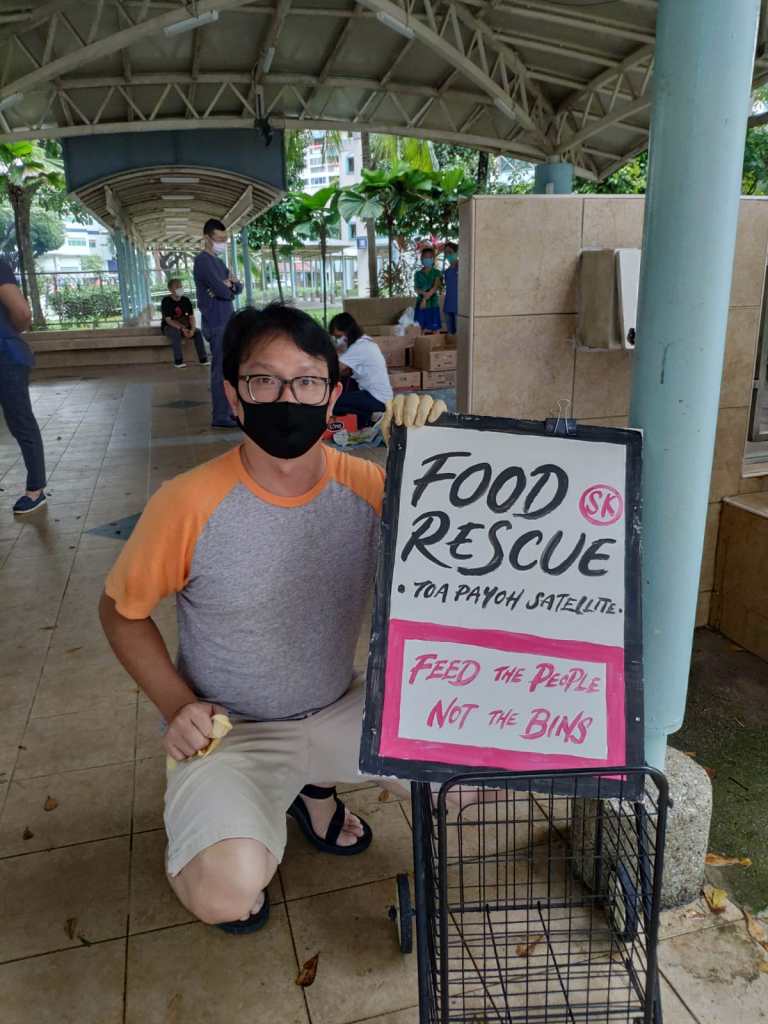
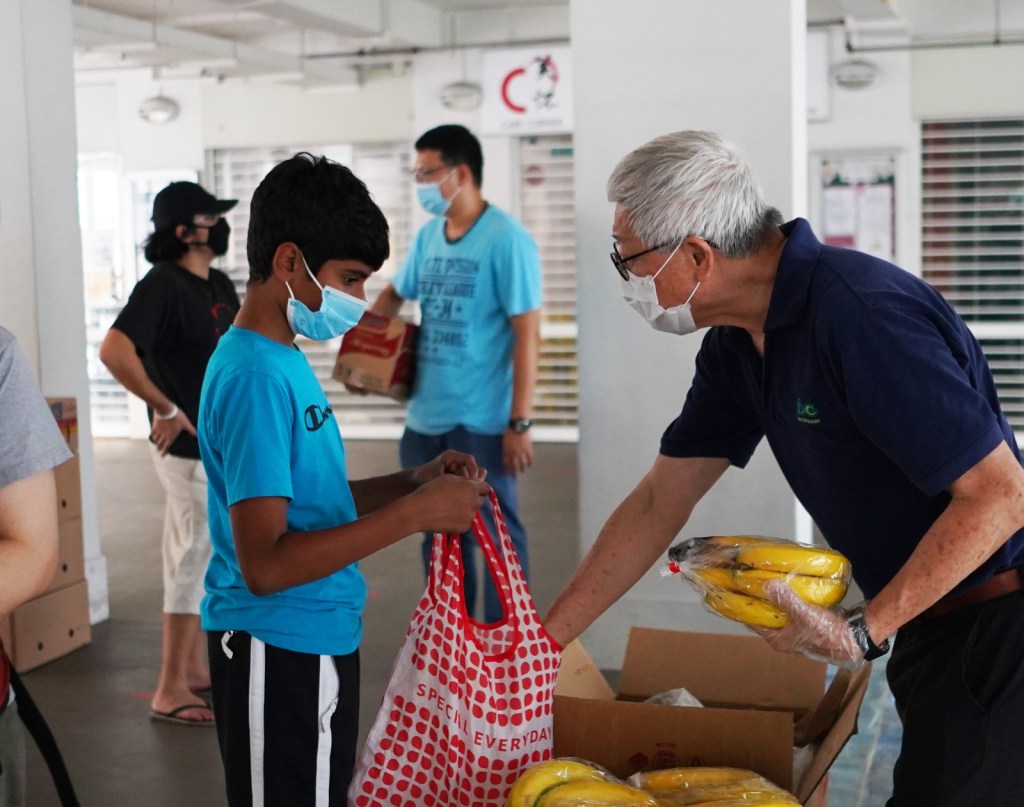
Some companies support the food rescue movement in Singapore. Regardless of situation, people still have to eat. In Singapore, food is imported and the perishable food do have a certain lifespan, and cannot be sold when the condition of these food is not as good.
Businesses engage various local community groups to support these initiatives to:
Reduce food waste
Feed the community
When done as a corporate CSR, the sponsoring company can request their corporate logo to be on the marketing materials, in exchange for some support that they offer. These projects often require a few things:
Volunteers
Transport
Storage space
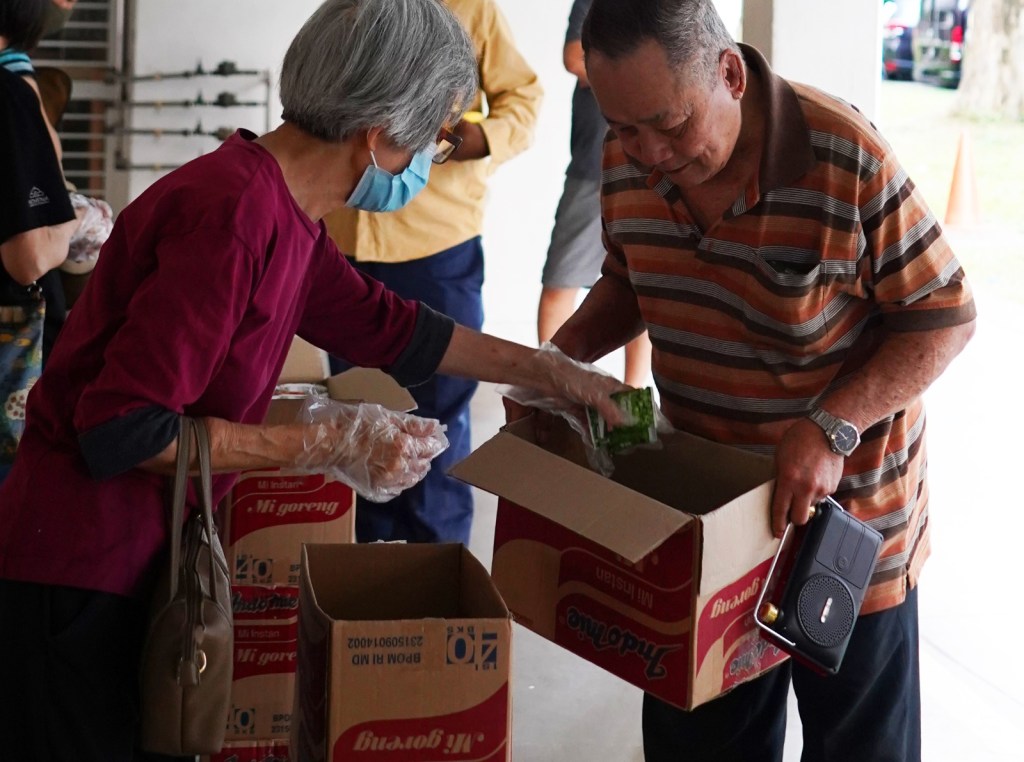
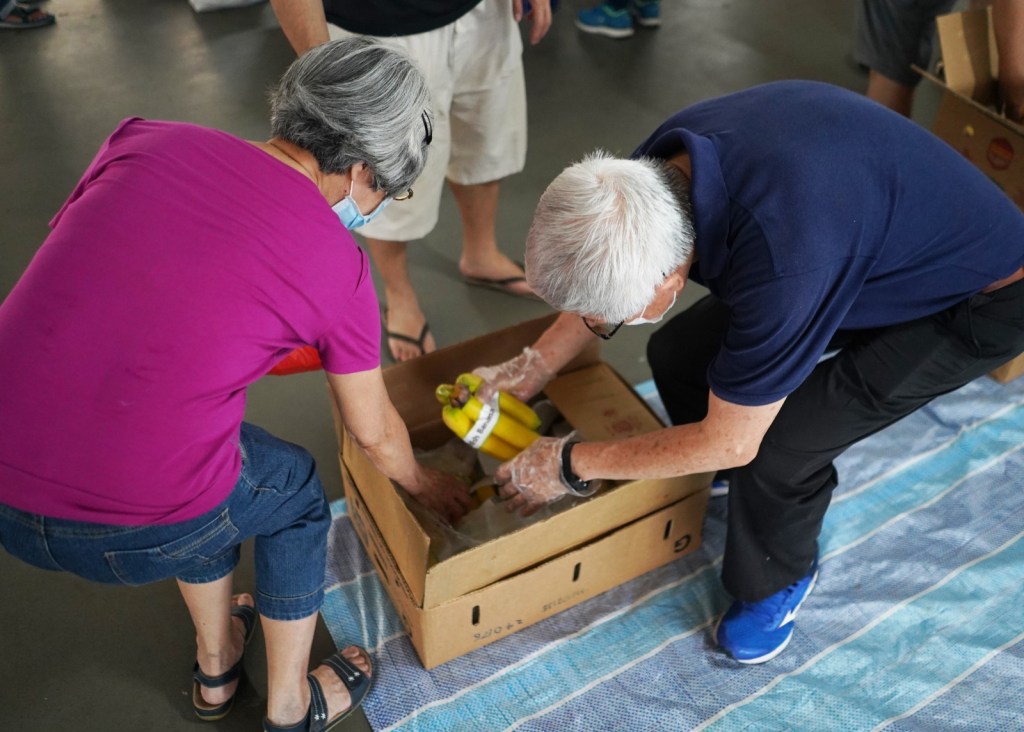
For businesses that want to support, they usually provide some volunteers, a transport and storage space. Usually, a truck, a driver and a storeroom.The dried food is either sponsored or collected from the Foodbank and stored in a facility (Store room, or on the truck itself). Then the truck will pick up the local volunteers to go to the wholesale market to collect the produce which are not viable for sale, and brought to a facility to sort, before distributing it to the community.
The local food rescue volunteers usually will have some manpower for the distribution, but may not have enough volunteers, vehicle and storage space for the whole project, this is why corporate support is needed.
Other supports during crisis.
There are a few groups of people who are at risk during this crisis. Remember, your staff would also need support during this crisis.
Freelance workers
“Deskless” workers
For freelance worker, there will be more competition for them as people get retrenched. If you company hires some of these workers for short term projects, exploiting them by reducing the amount you would pay would not be ethical.
For “deskless” workers — employees working in restaurants, retail, hospitality, and other “non-essential” services can’t do their jobs from home — safety would be a big concern. As they are facing customers directly, they are all are all putting their health on the line to keep the world afloat.
They should be treated like the heroes they are.
The following recommendations can minimize their exposure risks and create a safe and appreciative environment.
Safety first.
Make it easy for unwell workers to stay home, until they’re well again. Have extra staff to ensure shifts can be covered and safety maintained. Extra staff may also be necessary for disinfecting, take temperature or ensure social distancing. Telling existing workers to cover additional duties like cashier and taking temperature may create safety lapses.
Better communication with staff
There are a lot of uncertainty as the economy is uncertain, and this creates a lot of anxiety for the staff. Constant communication with the staff and opening up new direct feedback channels are important.
As government policies change when the crisis evolves, rumours and predictions can be found online, and some “fake news” will affect the morale of the employees. A mobile communication platform is a highly effective tool for communicating with offline employees in a timely way. This can be a one stop shop so that the critical information can be conveyed as soon as possible to keep the business running smoothly.
Proactively support employees
There may be other issues which arise from the current crisis. Your employees may have friends or families who are badly affected by the crisis, or working from home may have caused more tension and problems at home.
Managers may also be at risk. Sometime, you may just need to take a walk in the middle of the day, having a therapy appointment, or prioritizing a staycation (and actually turning off email) so that you don’t burn out.
Intentionally checking in with each of your direct reports on a regular basis is more critical than ever. That was important but often underutilized in pre-pandemic days. Now, with so many people working from home, it can be even harder to notice the signs that someone is struggling. Allow employees to share issues or concerns, they may not always do so, but knowing that they can is what matters.
Offer flexibility and proactively be inclusive. The team’s needs, and your own needs will continue to change as schedules of childcare and other rules change and evolve. Being accommodating doesn’t necessarily mean lowering your standards. Flexibility can help your team thrive amid the continued uncertainty.
It is important that we come out of this crisis stronger, together. We are all in this together, and we can take the lead to show more compassion. This may not be a good time to beat the competitors, but we can definitely find more ways to collaborate with others and together, we can emerge stronger.
The COVID-19 crisis has affected many different businesses and our lives may never be the same for a long time. Some businesses have failed, many lost their jobs. For F&B outlets, social distancing rules reduce seating capacities and enforce strict guidelines. Although there are subsidies and solutions provided by the government in the form of grants, the process for applying such grants is not so simple.
We work with a team of passionate people, focused to solve the problems and challenges posed by the current situation, to create solutions for the F&B outlets. From our initial engagement, we feel that low-cost solutions, and not more government grants are needed to support businesses. For many cases, the grant process is tedious and requires some cash upfront to be reimbursed later, there can also be many other costs involved and the solutions created may become a liability.
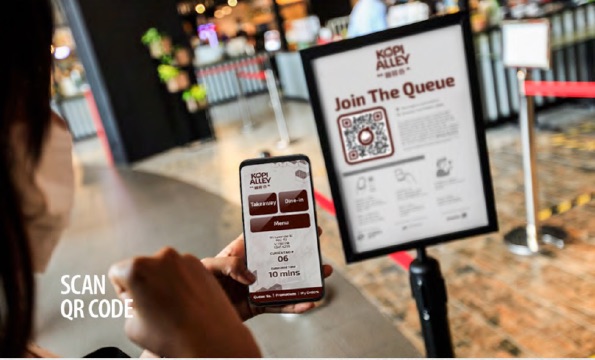
The QR Queue management system we created is a simple cost-effective solution to solve the problem of queues caused by the new social distancing measures. We feel that many of the restaurants may also face queue problems after the restrictions are lifted, and hence this solution will work for them after the crisis as well.
This crisis has advanced the adoption of a lot of new technology. Many users have also accepted and started using more QR based technologies after the government introduced SafeEntry system for contact tracing. Zoom, Webex and other online communication solutions are common as well.
With the adoption of technologies, are there any other solutions that can help businesses and accelerate our future economy?
In a post COVID-19 world, many things have changed. The reshuffle and new normal caused a lot of new problems and a lot of uncertainties. Many people are out of jobs and the market does not look good. There are many who face financial hardships and obviously some winners and some losers in the community.
Yes, focusing on the frontline staff and supporting them is important, but Singapore is still in a Crisis with more than 200 people infected everyday. We are still in the circuit breaker and restaurants limit guests to 5 to a table and businesses are closing down.
The Casinos are retrenching workers and companies running events and other activities where crowds may gather are also badly affected. Many food counters that were supporting the frontline workers have stopped.
The donations and support, and all the positive messages pushed by the media have all since ended in February. What has changed?
The problem with giving and support is that these actions are meant to be short term, but in any crisis, the effects are long term. The COVID-19 crisis is turning into a financial crisis as people lose their jobs but there is virtually no social safety nets to support. The $1,200 provided by the government barely covers expenses for a month and we are going on 6 months into the crisis.
The issue faced is that the focus of “aid” shifts. In February, we are thanking the healthcare workers, and in April, we are supporting the foreign workers who are quarantined away from the general population. Singapore is still in phase 2 of the circuit breaker and restaurants are closing down as they still need to pay rents and staff while their customers are reduced.
Many industries that relied heavily on tourists are badly affected as no one is traveling now, and will not be doing so in the near future. So for the companies that are doing relatively well during this crisis, are there any plans to support the community and how are you going to communicate this?
Integrated communications and CSR
It is important to have an integrated communication channel that connects your advertisements, messaging and other social activities together, more so during this period where many people are finding it hard to get by.
We all know that the situation is challenging. In these times, proper community support along with good positive communications can go a long way. We all know that food delivery is popular and many food outlets are offering discounts to get customers. A tip to get more people to know about your discounts is simply to work with local NGOs feeding the marginalised families to support some of these organisations with some meals a day. Then with their communication channels, share the initiative and highlight the need to support such initiatives. The positive message along with a discount to support customers in this bad times can be very newsworthy, and these discounts and offers will be shared without purchasing ads.
An integrated communication channel that coordinates efforts to support various communities, community messages and offers is very important, and a proper strategy to execute this can allow the community to empathise with the situation and support the cause. But a poorly executed communication plan will make this feel like the company is capitalising on the situation.
The key factor for success is sincerity — if the company is still focused on increasing profits, it will show, and such effort will backfire, but if the focus is to support people who are affected by the crisis and weather it out together, the community will appreciate and work through the crisis together, making sure no one is left behind.
Yes, more companies are getting on Webinars for product onboarding, training, and sharing of knowledge or ideas. There is no doubt about the benefits of hosting a webinar, and the current situation has accelerated this trend.
I stayed home for two months and attended several webinars a week. Initially, I just wanted to try it out and learn something new, and I found Webinars a great way to be exposed to new ideas and reach out to others. As I went to more webinars, the novelty wore off, and I no longer had the attention span to endure through a long webinar. I quickly realized the abundance of distractions I had during the webinar.
Even for topics that I was passionate about, I realized that many things would get in the way of focusing. There would be food delivery, or my mother could not find something. My cat would push my cup off the table. I would then notice my pile of unopened envelopes; my trash bin is full, or my fingernails are too long. All because of a single fact — I was home.
Then when I was back in the office, I attended several work-related webinars and training. The result was similar. There were urgent work emails, my manager would need to clarify something. I had something to rush and the calendar reminded me of that. The distractions were endless.
I went between paying full attention to not even having the webinar screen on, I tuned in and out for most of the session. Sometimes I feel so disengaged that I did not even complete the session. When I examined the content, there was no problem at all. The speaker was also very well know in his or her field. What went wrong?
So when it was time for me to run my own webinar, I quickly looked at it from the perspective of the audience and realized that I was making the same mistakes as the other speakers — doing long monologues and reading from my static presentation. I find my audience went from 79 to 65 in an hour, and half the screen went black by the end of the session.
Then I attended a few webinars where the hosts tested various ways to engage the audience. The speaker would speak for 15 minutes, and there would be a breakout room. There would be a little networking, and a facilitator would get the audience to engage on a topic, and then they returned to the main room for another presentation. This presentation was professional looking. There were moving graphics and beautiful transitions. Everyone was encouraged to join a poll, and the results were displayed in real-time. Then, there was a video being played, and it returned to the speaker finishing up the presentation.
Excellent webinars are far and few between. Most are not even memorable, and you can’t recall the topic after 10 minutes.
So what makes a webinar engaging?
1) Webinars are rich media — it is sound and video. Many presenters simply use very static decks and take 50 minutes. In a live presentation, the audience has no choice but to sit and listen, but in a Webinar, we will tune away like we click the x on the commercials.
Please create visually pleasing content.
Use animation and overlays to attract the attention of our eyes.
Have multiple cameras and toggle among them to create more variety in the video feed.
More Infographics, less text.
Have great contrasting colors
Use transitions between slides.
The production value of the webinar can greatly affect how the webinar engages the audience. I’ve been in a webinar focus on only three key points, but with multiple speakers, multiple cameras, attractive graphics and a panel discussion, it felt more engaging, almost like I was part of a live audience.
For the other Webinars that were on Zoom, where the presenter showed static slides and I could not see his face and everything was static, I lost interest quickly.
(I will go into details more in my upcoming blog next week)
2) People’s attention spans are short, don’t give long monologues. Focus on a topic and elaborate, then engage the audience in an activity.
Test your audience,
Ask a question,
Conduct a survey.
Get the audience to do something after 10 minutes.
3) Make use of the breakout room. When you see the attention span falling. Quickly switch to a breakout room. Run a little ice breaker and start a discussion. The audience needs to feel engaged, and when they return from the breakout room, they would have gained back some of the lost attention.
4) Throwing in a small story or personal anecdote here and there. Let people relate to the topic with a real human story. Stop the presentation, and just tell your story.
5) Add a video. Videos are great ways to break the monotony of a long presentation. A short video can mix up the pace and increase the attention span.
6) Think about asking a question that relates to the subject of your webinar, or perhaps something completely unrelated, but that will get your attendees’ brains going and ready to engage with you. Such questions will reach the audience to think and respond and pick on some answers in the chat to comment.
7) Have participants share their screen. Ask a question and use the participant’s solution, and the answer to highlight a point may allow more interactivity and engagement.
8) Engage a video producer. It is no wonder why investing in a high production value webinar will pay off. Being able to add music, intro, mixing various camera angles can make a simple presentation a lot more engaging.
9) Make use of the whiteboard. Strangely, I do not see many presenters use the whiteboard, but when some of them ask questions and draw onto the whiteboard, the webinar seems more “real.” It does have a positive effect on getting the audience’s attention.
10) Liberal use of infographics. If you can present it in a picture, do so. Back to the original rule — less text, more pics.
How are you engaging your audience in your Webinar?
There is no doubt that COVID-19 has changed our business landscape. Many companies that fail to evolve will not exist after the crisis. Instead of worrying and cowering in a shell, awaiting a slow death, examine the new business landscape and its opportunities.
You can listen to many experts on how they managed to grow during a crisis and most of you will be skeptical. Yes, there are business that have exploitative business practices during this crisis to make as much money as possible.
There are also businesses have increased costs but failed to communicate and empathise with their customers and leaves a bad impression after the sales transaction.
In the world of digital media, little experiences customers have with you will accumulate. Good or bad, a small fraction of the customers do talk about it, framing your online perception, which can form a reality on how people perceive your brand.
In times of crisis, bad emotions amplify, and you will get a lot more complains than praises. As positive news is rare, positive acts often leave behind a positive impression for a longer time. It is truly during this time of crisis where brand purpose shines.
You may think; my business is not doing well, how can I help others when I can’t help myself? Helping others and doing well are quite separate, but when you look at the model of Social Business or Social Enterprise, you can quickly realize that many businesses can do well by doing good.
Current Conditions.
Instead of looking at all the doom and gloom, you can observe that some businesses are doing well. Tech and logistics are good examples of much needed essential services. Traditional businesses going online are also experiencing problems with the same issues — tech and logistics. Restaurants and physical businesses require tech and logistics to deliver their products and services to customers.
Your business in its core is about solving a problem. A restaurant creates food for hungry customers. If you do not have logistics in place, having tech is useless as the people who need your service still cannot access it. With logistics but no online presence is also useless as no one knows about you and can order online.
Digital transformation is not easy. The Singapore government recognizes this and Enterprise Singapore has a series of grants for this purpose. There are various grants available and companies who can solve current problems can access these grants to grow.
There are also a number of financing support available for companies who may encounter cashflow issues and require bridging loans. This is the time where business get cheaper loans. MAS has launched the MAS SGD Facility for ESG Loansin partnership with Enterprise Singapore. Local companies can take this opportunity to pivot their businesses to take advantage of the low interest backed loans.
If you want to transform your business, remember, you do not need to do it alone. There are many others that can help you in your journey, and you can easily schedule some time to talk to some of them to find the right one to help you.
This is a good time for digital transformation and looks at how you can also include inclusive and sustainable practices in your business to future proof it. The cause of many future problems will be due to unsustainable human activities and it is important to take the time now to think further and pivot to a more sustainable transformation.
The normal we know about is gone, how are you going to respond to the new normal?
The COVID-19 crisis is changing the way we work, live, and engage. There are a lot of restrictions now as more people get infected. As companies adjust, there are many that will be badly impacted and some will cease to exist.
Many businesses that were built years ago, but do not adjust or change to the new technologies and challenges will find themselves in a situation where they are now forced to change or become irrelevant.
COVID-19 crisis is accelerating many companies to go digital. Traditional companies like Seafood Suppliers are getting online and doing direct delivery to customers. The world is going digital and many people are getting on mobile phones to do research. Many established traditional businesses that have operated for many years are also starting to pivot. With several younger generations in charge, most of these businesses are looking at rebranding and going digital.
This is a trend that is quickly accelerated and with the COVID-19 crisis, companies that want to run business as normal will probably have to consider not doing business for the next few months at least. With possible second wave of infections happening globally, the new norm that we are seeing now with restriction of movement are looking at several new winners.
Back to Basics.
Businesses exist because they solve problems that people are willing to pay money for. If you cannot do business because of the current restrictions, you cannot run your business. If you have employees, and office, you have cost, and without revenue, things are not sustainable.
If you cannot continue to solve problems, you will cease to exist.
If you are a running restaurant, the problem you face now is that people cannot dine in your premises. For many restaurants, customers do pay premium to dine in the ambiance and it is not easy to create the same experience for delivery.
If your reach is limited due to the situation, and you find that you cannot do business as normal, you have 2 choices.
Do nothing Companies can have a strategy of “Do nothing”. They think this cost the least. In uncertainty, many companies will want to be prudent and not spend money or take risks, but in some situations, you have to consider. – Is your industry already doing down before the COVID-19 crisis? – Will things go back to normal? – How long will it take?
Innovate With the advancement of technologies, how can companies evolve with the times and offer more products and services? If your company is impacted by the crisis, are there verticals or horizontals of your industry which you can work on to extend your brand and continue your business?
Innovate or Die
Going online is a very big trend and the current situation accelerates this technology greatly. Events that have been gathering large crowds are now defunct. There is a lot of uncertainty in the industry as well as innovation.
Many schools are now running online classes and this allows more audience to be familiar with this technology. More talks and events are now online via webinars. This shift of focus from prime real estate location to online will change the way we look at events. Running events online is cheaper and more conveniently, and most importantly — this allows social distancing to happen.
For some industries, the old norm may not return. For retail, with more customer going online to buy, when prices are cheaper online, retail as we know may change. This is not new. Even before COVID-19 crisis, many malls in the US are already closing down, and this situation simply pushes some businesses off the cliff.
How do you start?
The Internet is a good place to do research. If you have no ideas, you can always look at how your competitors are evolving and learn. There are a lot of business news that shares the success on how some companies are using technology to solve the current situation to continue business.
There are also companies that can help you with this journey. Depends on industry, there are different experts who can help.
Once you know how you should change and pivot, you can always do small scale testing to understand your capabilities. It may seem like a steep learning curve, but you have to start somewhere. Have a budget in mind and don’t be afraid to ask for help. Go to networking events and find others in the same industry and see if you can collaborate together to get out of the situation.
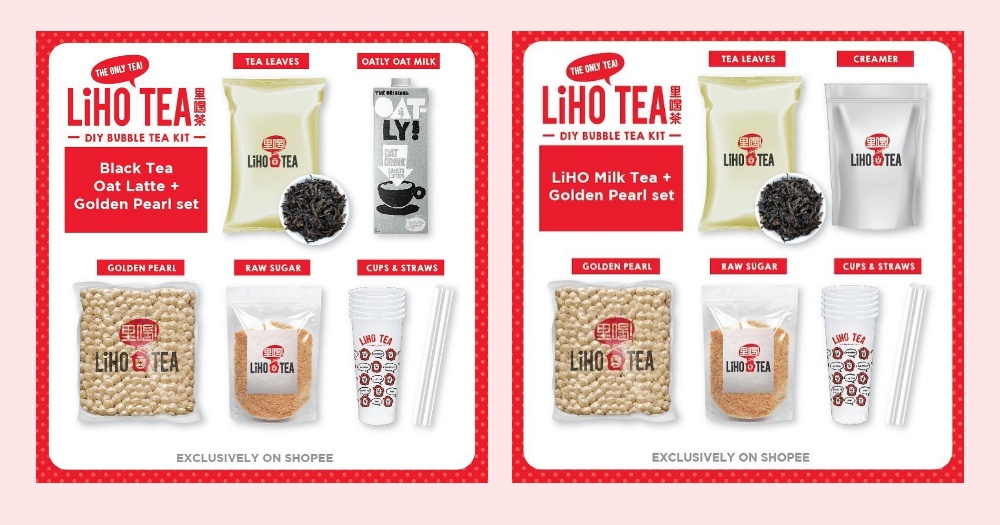
Remember to market and promote once you have a new solution. Your customers may not know about your new offering and make sure you have a strategy to promote it as well. LiHO, a bubble tea company is selling bubble tea kits online for people to make their own bubble tea as home.
If you need any help in pointing to the right direction, please let us know.
If you are in Singapore, Enterprise SG is offering grants for local companies to adapt and grow. For these grants, the government may fund up to 90% during this period but a word of caution, this process may take 3 months and it is on reimbursement basis. You still need to have the cashflow to pay, although you can get loans once your grants is approved. (Disbursement is also not immediate)
It is heartening to see many Singaporeans outraged when they see the plight of the foreign workers in Singapore. Poor unsanitary living conditions and tightly packed dormitories has created a health crisis in Singapore with more than 10,000 foreign workers infected with COVID-19.
Poor living conditions of these foreign workers are not new. In the past, employers packed them in shophouses in Geylang and Serangoon and once these poor living conditions are exposed, after public outrage, mega-dorms are built, and the problem is out of sight.
These well connected mega-dorm operators can focus on getting maximum profits by following the lax guidelines set by the Ministry of Manpower and getting the minimum done. On paper, some of these dorms boast recreational areas, cinemas, shops for some 21,000 residents. But in reality, sometimes, more than 20 workers are packed into a room, sharing a toilet. The air circulation is poor and because of the living density fueled the spread of viruses.
These poor living conditions were made known to the public only when people were looking into the reasons why there were so many foreign workers infected, and there was some outrage by the public as the numbers soared due to the slow actions taken by the dormitory operators as there were no clear instructions from the government despite some members of the public highlighting the critical situation.
When it is apparent that many of the foreign workers living in these densely packed dormitories with poor sanitation were infected, the government had no choice but to act to curb the spread.
The once “Gold Standard” of the COVID-19 response suddenly was struggling to contain the outbreak. The problem did not end there. With over 1,000,000 foreign workers, and more than 300,000 living in dormitories, it was impossible for Singapore to house them. There was a big scramble to create make shift facilities to house these workers, and the communication to them was so bad that many did not understand what was going on and felt that they were “abandoned”.
Testing was also insufficient and according to Mr. Au of TWC2, “They’re waiting for symptoms to show before they test. That seems to be reactive instead of proactive.”
In a specific case, 16 roommates of one infected worker were not immediately tested for the virus, but instead isolated in their rooms, not allowed to go out.
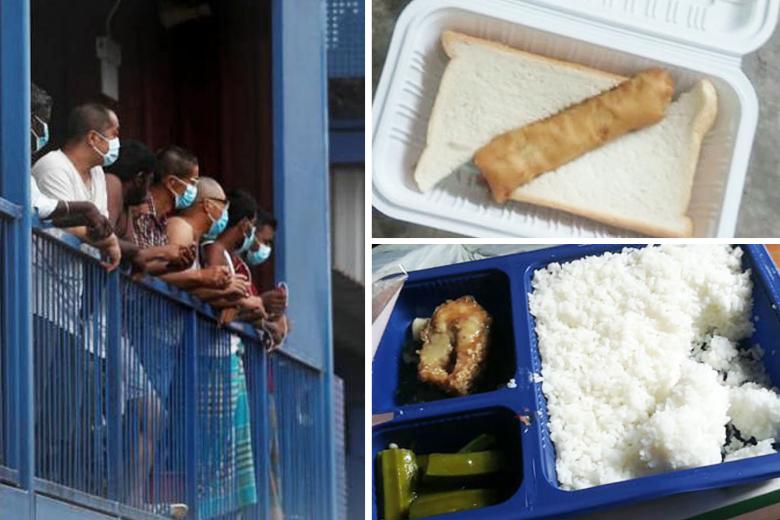
Then, there was also a problem with food. When the workers were quarantined and rehoused in other shelters, the dorm operators had problems sourcing for budget food for the workers. There were a lot of complains about poorly cooked food and low quality food offered to the workers, and it had even reached the news channels.
Many Singaporeans took action and decided to support these foreign workers and various companies too came out and decided to provide food. These knee jerk reactions are common as many realised the problem and wanted to do something.
Food Waste
So a lot of food was donated.
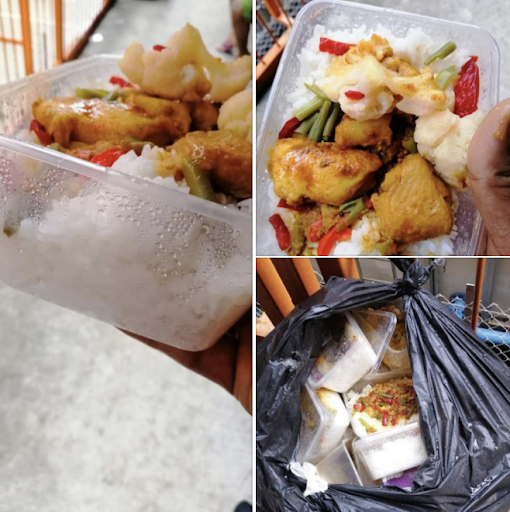
However, this usually does not solve the problem. Many of the donated food did not reach the hungry foreign workers. Like aid to disaster areas, many people focus on the doing, and did not consider the impact. As these areas are restricted to contain the virus, no one can simple walk in and provide food to the people inside. Non-official food source in any disaster areas are turned away as the operators of these shelters cannot be certain that the food is safe.
As Ramadan started, some of the food that arrived at the shelters were too late as the fasting has started, and sometimes the food arrived too early and when fasting was over, the food had already turned bad.
The distribution like with many community and ad hoc projects was poor, and with the lack of communication and engagement, there were duplication in efforts while some shelters did not get any food.
I would like to add that many of these shelters do feed their inhabitants. The inhabitants are not allowed to go out and get food, and they have to be fed, so food is already provided. There area always managers of these shelters, and working with them to provide food or donating to a food fund to provide better quality food or supplements should be the focus.
I would also say that there are a lot of commendable efforts which really did help and some shelters did have better quality food, but this is due to the experience of some of the NGOs like TWC2 and HOME where they understand what they were doing.
Many of the religious groups and companies who are using vendors to deliver food still end up wasting food.
It is good that Singaporeans care about these marginalised foreign workers, helping others is not as easy as just giving food when someone is hungry. Even when it comes to feeding the homeless and marginalised in Singapore, engaging them is key.
So, if you intend to help in this situation, please remember to engage. It is the first step into understanding the problem and looking into how to create a solution for that problem.
Please don’t have a solution and decide to find a problem to fix — having bought food and finding shelters to give to is always a bad idea — even if it may be a good photo opportunity.
The current situation we are facing is changing everyday. As many companies have given up on the situation and are waiting for handouts, some companies are forcing themselves and are changing.
What if you know that the current situation is going to last 6 months? Are you going to act now or are you still going to wait for help? There is a lot of uncertainties out there and there could be opportunities in the situation. There is an advantage in being the first mover, and it is important that you communicate and do this well.
There could be government subsidies too when you embrace technology in continuing the business, especially in Singapore.
LiHo launches S$48 – S$85 DIY bubble tea kit on Shopee after the government closes all the bubble tea stores in Singapore.
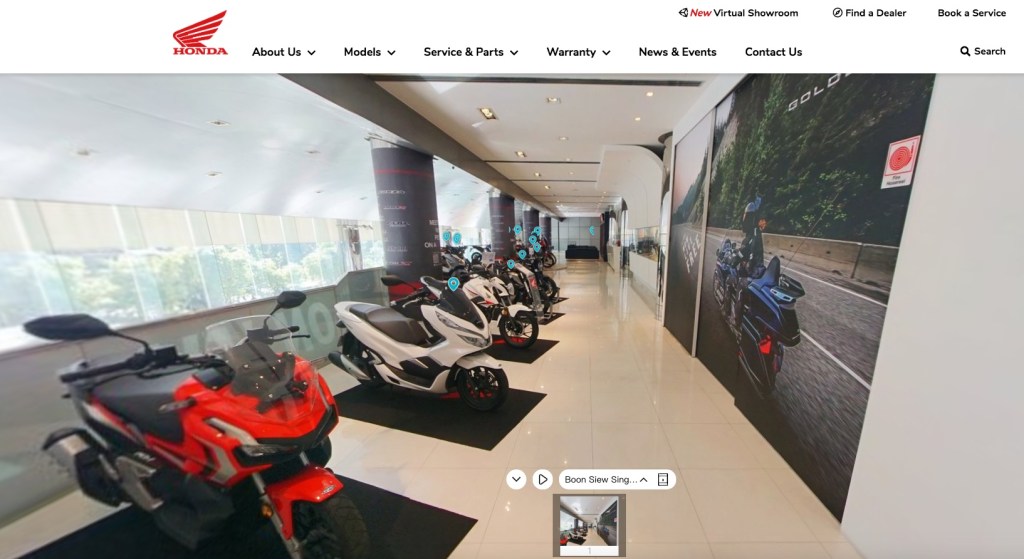
BoonSiew has launched a Virtual Showroom for people to browse the motorcycles online as showrooms are all closed.
All companies are impacted by the restrictions, and from the looks of things, the new changes are here to stay. Are you going to embrace new technologies that can enable your business to continue work, or are you going to give up and wait for a bail out?
The choice is up to you. But if you need some help in understanding and navigating the new norms and new tangible ways to engage customers during this period, feel free to contact us.
Many companies are still focused on sales and want to implement processes to continue business as normal. Some companies that can continue to run during this period are still focused on profits.
Instead of creating public anger by communications or actions that seemed to be taking advantage of the situation and later, do some CSR projects or donate money to repair reputation, businesses should do one thing during this critical period which should be thinking about how to use their marketing for public good.
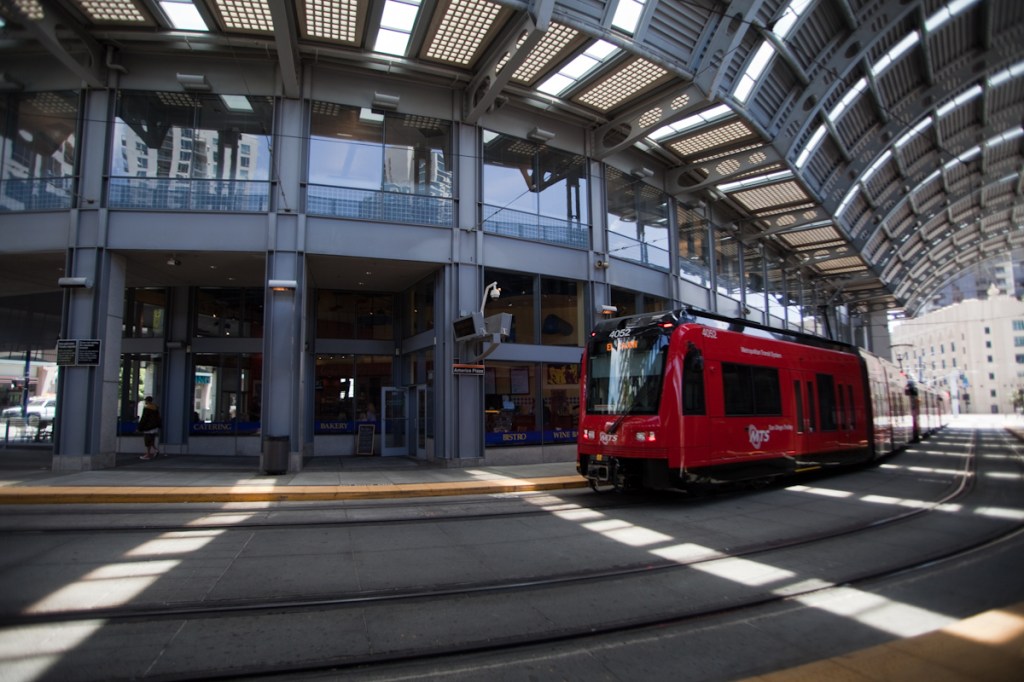
Big brand do have a big impact on society. In Singapore, SMRT decreased the frequency of their train services citing a reduced ridership during this period. And after much social media backlash and public anger, they decided to increase the number of trains again.
During this period, there are a lot of things which will be very sensitive as people are suffering economic impact, stress and are fearful of the situation. Any miscommunication will draw much anger and the reputation damage may be hard to rebuild. For SMRT, the reduction in the number of trains to safe costs creates a situation where trains are more crowded, and passengers are unable to follow social distancing, which causes a problem of public safety and this can be seen as prioritising profits over safety, this WILL tarnish the brand for a long time.
With more people working from home and cooped up indoors, they may have less entertainment, and will turn to social media, and such negative posts will spread far and wide.
Instead of promoting a new product and service or finding ways to cut costs or maximise profits, companies should look at how they can help people through this crisis. Brands should reflect and develop their brand purpose.
Many car companies like GM and Tesla are manufacturing ventilators, and companies like LVMH, known for luxury goods is partnering other luxury brands and making hand sanitisers for French hospitals. The facilities that produce fragrances and cosmetics for Christian Dior, Guerlain, and Givenchy had already begun to create the gel, bottle it, and make deliveries.
When done right, brands can play a part in supporting their communities during this period and not just for superficial tokenism or a marketing ploy. This is not just for social responsibility, but this is just a reason why your brand should exist and what is its purpose in society.
The primary audience of any brand purpose should be employees not consumers because purpose impacts the values and beliefs of a brand, which in turns impacts the desired behaviours of those who work for the brand.
This is not about saving the world. It does not need to be on the news or all over various media channels. Your brand purpose is to guide your actions, and not for ads.
This is an uncertain time where many companies and people have a lot of anxieties and problems to be addressed. It is a time of crisis and this is the time where strong brands will shine and be identified — not for the CSR projects that they do and gain media attention, but for their contributions to society during this time. We are all in this together, and we should contribute what we can to see each other through this difficult time.
Visibility Design is a design and marketing company with offices in Singapore and Myanmar. We work on creative solutions and if you have a brand question or social project which you want support, feel free to contact us. We would love to help you in brainstorming solutions and do what we can to see each other through this period.
Corporate Social Responsibility or CSR is not fit for purpose, and we need something better to hold corporations to account for their social and environmental impact. Business is business — If there is a conflict between maximizing shareholder value and an environmental or social impact, the bottom line will win out in this model.
CSR framed in terms of restricting harm a business can do or to “white-wash” its business activity, have little to do with having any good impact they can bring. With the case in many unethical companies, they are donating money to some causes or funding some initiative with a tiny fraction of the profits make is going to make the world a better place as their CSR.
On social media, the customers do play a significant role in sharing the good and the bad. Many corporations that may have been in the spotlight for doing something wrong will have a lot of negative buzzes created. The publicity may cause a possible boycott of the products, or these customers pressure their politicians to do something, which may hurt the bottom line of the corporation. And no amount of CSR can change the opinions of the public.
A common question asked is, “Is there a better way in which we might assess and improve business’s impact on society and the environment?” The public is getting more informed from some of the negative expose of large companies due to the Internet. It is not enough to have a CSR program and believe that it will change the impression of the public; corporations need to think beyond CSR and engage with stakeholders beyond shareholders.
On Social Media, the question asked is, “How can we used New Media to get closer to customers?” People like to do business with the people they want. However, in many organizations, their primary focus is on operations, margins, and efficiencies over customer experience. It is hard for a customer to empathize when the organization is more focused on a spreadsheet. It is impossible to change if you can’t see what it is they value.
Humanizing the brand and being customer-centric starts with breaking down internal silos. It is having a culture of listening and communicating with customers as well as using feedback to improve relationships and experiences. It’s about empowering the employees to enhance and contribute to a new era of customer engagement and collaborations. They have to care, not because they are human, but because it is part of the corporate culture.
Innovation and collaboration is an outside-in and an inside-out process. Engaging with customers forces a groundswell that inspires top-down transformation from the bottom-up. It is time to invest in relationships that yield insight and impact. Businesses must earn affinity, loyalty, and advocacy through ongoing relevance.
There are much learning and adaptation, and a corporate culture that recognizes the connected customer and having a management infrastructure necessary to adapt is critical.
Putting 2 and 2 together, transforming CSR with customer advocacy can bring the social to the next level. In an era of Capitalism, many people feel the need to address the income gap problem between the haves and have nots. Striving to have high stock price does not mean a company cannot also have high social capital. Philanthropic Capitalism — the merger of philanthropy and Capitalism may set the stage for a new era of socially responsible businesses.
There are many opportunities wealth provide, and many questions on the responsibility of wealth. With more companies increasingly interested in humanistic Capitalism, a consumer can find opportunities to work together to make the world a better place through everyday commerce.
Many companies are mismanaging CSR opportunities. Because the initiatives need to yield more returns in the form of sales or merely branding, often millions of dollars are spent on CSR Programs and millions more marketing the campaign. The companies are also not transparent and not taking on the core problem or even the issues they cause while doing business, and CSR is often seen as “white-washing” the companies.
Meanwhile, social projects, socially driven by staff and customers, can be supported by the company, and this gives a different dimension to social engagement. Otherwise, companies can also use their influence to promote and create social awareness. The RED program for Starbucks is a great example where customers paying with the RED rewards card also contributes to Global fund to help people living with HIV / AIDS in Africa.
Philanthropic Capitalism nurtures empathy into a competitive advantage. It allows the corporation, the staff, and customers to do good while doing business together, and with social media, amplify their efforts for a more significant cause.
It is natural for Social Media to converge socially. It is the future direction for social evolution.







 CSR DESIGN